We are a small family orientated kennel located in the Scenic Rim. We aim to breed for sound temperament, athleticism, well adjusted dogs who are part of our family. All breeding dogs are health tested, DNA profiled and Hip and Elbow scored.
It goes without saying that if you are looking to add a Rhodesian Ridgeback to your life, you would research the breed and research the breeder you choose to obtain a puppy from. You would want to see the parents, if possible, relevant health papers, and lineage. Basically, you would be investigating family history!
But, what about the actual history of the breed itself?
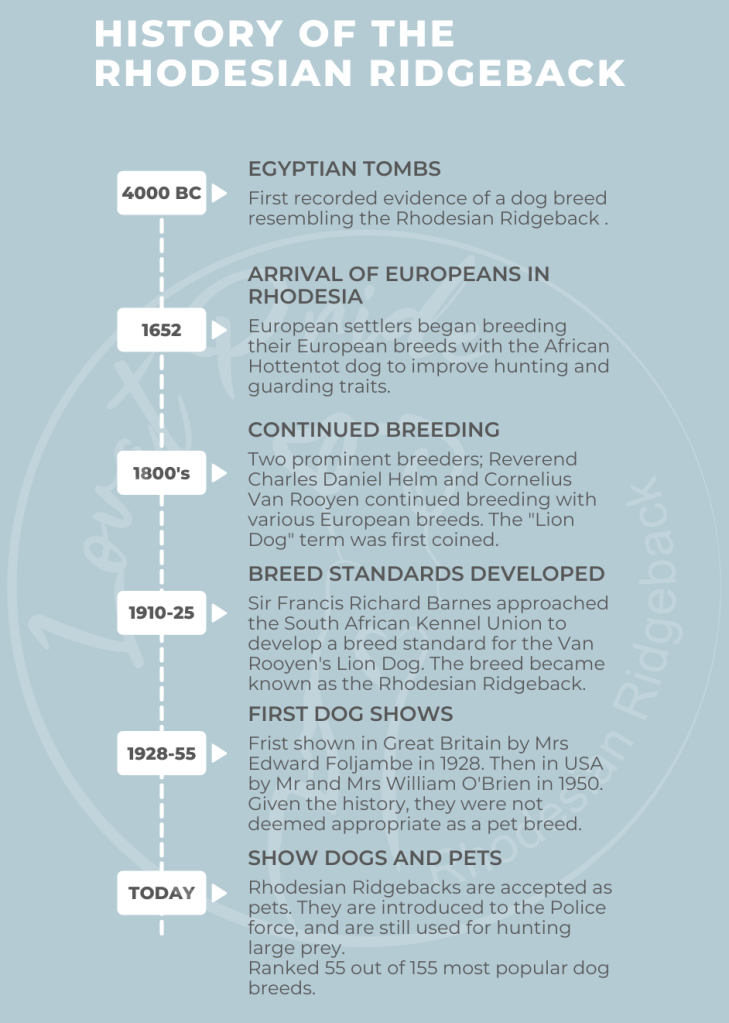
The history of the Rhodesian Ridgeback can be traced back to at least 4000 BC Egyptian tombs where pictures of their probable ancestors were found. There is, however, no real definitive timeline regarding these dogs until we reach the mid-1600s, making it difficult to put their history together completely.
The Rhodesian Ridgeback dog breed was created in Africa to be a versatile hunter and guardian.
In mid-20’s, the best traits of these dogs were discussed which determined a breed standard put in place by the South African Kennel Union. The breed was no longer known as Van Rooyen’s Lion Dog but rather had become the Rhodesian Ridgeback. It was under this new name that they were registered with the South African Kennel Union although to this day you will still find the old names used. Rhodesian Ridgebacks were placed under the gun dog category which later changed to hound. The breed standard, however, has not changed and to this day remains basically the same.
The first Rhodesian Ridgeback was shown in Great Britain in 1928 by Mrs. Edward Foljambe though it is not known exactly when this breed landed on their shores. In comparison, we do know, however, that the USA was much later with Mr and Mrs William O Brien of Arizona introducing them in 1950.
Unfortunately, due to the nature of the job that the Rhodesian Ridgeback did in Rhodesia they were thought of by those outside of Africa to be ferocious dogs that killed lions and that they were not suitable as pets. These days, They’re less likely to hunt lions and more likely to hunt a soft spot on the sofa after going jogging with you.
In 2018, the American Kennel Club ranked Rhodesian Ridgebacks at 41 for the Most Popular Dog Breeds. Rhodesian Ridgebacks also make good placings on lists such as ‘best guard dogs’, ‘best dog breeds with children’, and general popularity outside of the kennel club. It’s not hard to see why when you consider their personality, temperament and looks. They are a great all rounder suitable for every family and home as long as you’re prepared to put in a little work training them.
The below resources can provide further information on the history of the breed.
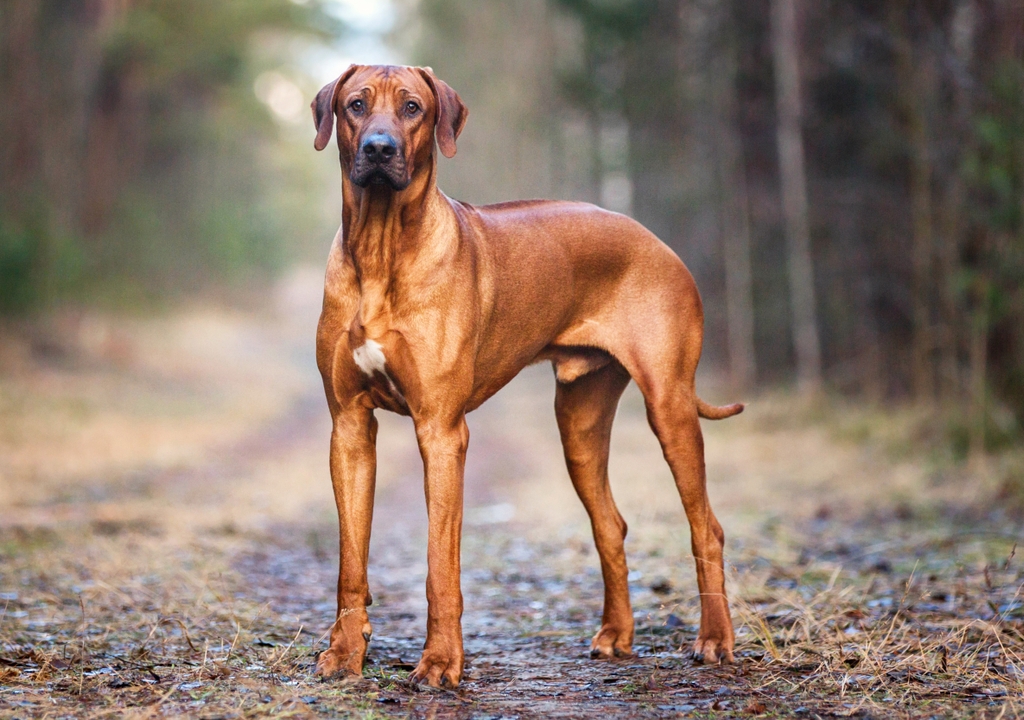
Based on the standard for a Dalmation it was decided that the Rhodesian Ridgeback should be a strong and muscular well-balanced dog that was agile and active. They should be large, but not massive, and of course have the famed ridge down their back. This ridge should be clear, defined, and taper down to the haunches from behind the shoulders. Height and weight wise bitches should be 24 to 26 inches and around 70lbs. Males should be 25 to 27 inches and weigh around 80lbs.
Temperament wise, the breed standard describes the Rhodesian Ridgeback as intelligent, dignified, and aloof with strangers but never shy or aggressive. Short, but sweet, and certainly not, as Rhodesian Ridgeback owners will already know, all there is to this breeds amazing but sometimes frustrating personality.
It should be noted that what the breed standard lacks in personality description of the Rhodesian Ridgeback it makes up for in physical description. Every inch of this breeds body is discussed such as head, facial region, body, limbs, coat, height, and weight. Owners with Rhodesian Ridgebacks should, however, take the breed standards with a pinch of salt and as unimportant unless they are planning to show their dogs when the breed standards then become all important.
What makes the Rhodesian Ridgeback dog a good addition to a family household? Can a breed, famous for its hunting skills, become a loyal and caring member of a family? Are Rhodesian Ridgebacks a good choice for a family?
The Rhodesian Ridgeback is a great choice for a family, no matter how big or small. Renowned for being protective, loyal and kind-hearted, these are a few of the traits that make a Rhodesian Ridgeback dog such a great companion.
Are they a good choice?
If you are thinking of welcoming a Rhodesian Ridgeback dog into your family the number one question that should come to mind is: “are they the best choice?”. The short answer is yes, but the next question should be why?
No family is the same and despite its adaptability this breed is not perfect for all families. The Rhodesian Ridgeback breed is very special, and its history plays a major role in determining how well you will get along.
The Rhodesian Ridgeback was a famous African hound and it was used for hunting, (not killing) lions. Their sleek and athletic body and supreme intelligence made them perfect for this kind of a job. Why is this so important? Well, in order to hunt, the Rhodesian Ridgeback had to be strong, resilient and very energetic. That makes these dogs the perfect companion for a family that is equally energetic. If you are an outgoing family which loves doing outdoor activities like hiking, jogging and other high energy sports, you have the perfect dog.
Every dog is different but for the most part, the Rhodesian Ridgeback is a very friendly dog and can get along great with children of all ages. Of course, their size should be taken into consideration when interacting with toddlers, even an innocent push from an excited puppy or a pulling of its tail by a curious child might lead to an unhappy accident.
As with any dog, children must be taught how to approach your Rhodesian Ridgeback and the early interactions should always be in the presence of an adult family member. Because of their protective nature they will try to defend your children and make sure they are safe. It is very important to teach a Rhodesian Ridgeback that other children are not a threat to your own.
They turn into fierce protective guardians and reveal their gentle and loving side only to the family they belong to and especially to children.
What about my other pets?
The Rhodesian Ridgeback is a great choice for a family with children, but they might be somewhat difficult with other pets. It is much easier for a Rhodesian Ridgeback to get along with a pet when it is introduced to it at an early age. A Rhodesian will need more time and training to accept a dog or a cat after it has grown up. Patience, good observation and training will help the Rhodesian Ridgeback to make room for another fluffy member of the household as its hunting instincts may be triggered by the new arrival.
It is important to note that as well as they might get along with your house cat, they will show signs of aggression when seeing a stray cat. Male Rhodesians tend to get more aggressive with other males especially if not neutered. But exposing them to creatures outside of their home from puppyhood can help to reduce this behavior.
The Rhodesian Ridgebacks are faithful companions, protective of their loved ones and very affectionate with those whom they trust.
It can take a big commitment to own a Rhodesian Ridgeback, so only serious owners should undertake looking after one of this breed. Once it is properly trained, the Rhodesian Ridgeback will become a true member of your pack. As well as a hunter, the Rhodesian Ridgeback is a fiercely protective guardian of its family and it will make sure to keep everyone in it safe.
You need to really think about whether or not you can provide the puppy with everything he’ll need. This especially true if you’re thinking about getting a Rhodesian Ridgeback puppy. You’ll need to research, research and then research some more. You need to be sure that this is the breed for you. Here are a few things to think about.
High energy – They were bred for endurance, so they need a lot of exercise. At the very least, they need a long walk three to four times a week, and they need playtime in the yard every day.
Social – They don’t do well if they spend long periods of time alone.
Socialization – If they haven’t been properly socialized as a puppy, then they tend to be badly adjusted adults. This can result in them being aloof, and unable to cope with other people, animals or places. You need to have a lot of time to socialize your puppy.
Training – Your puppy needs consistent training. You should also consider taking your puppy to obedience classes, especially if you’ve never owned a Rhodesian Ridgeback.
Food – You need to think about how you would feed the puppy, and how that would change when he reaches adulthood. Rhodesian Ridgebacks are notorious for trying to get extra food, so make sure you’re prepared not to give in.
Expenses – Owning a dog can be costly, so you need to be prepared for the financial aspect. This includes buying the things he needs, as well as food, and vet bills. You should also be prepared for any emergency vet bills as well.
Existing Animals – If you have pets already, then you’re definitely going to need a puppy, rather than an adult dog. A puppy can grow up and be well adjusted to the other animals in the home.
High Prey Drive – Remember Rhodesian Ridgebacks were originally bred as hunters and protectors. This can be helpful in terms of training, but it can also mean that your puppy will get themselves into trouble. Always have them on a lead when you’re out in public. They can easily become so focused on ‘prey’ and won’t watch for cars or other dangers.
When you start looking for a puppy, you have two options – rescue a puppy, or look for a breeder.
Rescue
If you want a rescue puppy, you may need to wait a long time for a suitable one to become available. However, a massive plus in taking on a rescue puppy is that the shelter will match your personality and lifestyle to the puppy’s. It means that the dog should fit in well into your household.
The downside to rescuing a puppy is that you generally won’t know the full history. You won’t know how well socialized the puppy has been, or how it was treated with its previous owners. This can mean that a rescue puppy, especially one that has had a bad start in life, may not be the most suitable option for first time Rhodesian Ridgeback owners.
If you are interested in a rescue dog, please contact us for further information.
Breeder
Be prepared for the breeder to have as many questions for you as you have for them. In fact, be wary of a breeder who doesn’t ask you questions. Responsible breeders are looking to place their puppies in the right home.
Look for a breeder within driving distance of your home, as you’ll want to meet the litter and the breeder. You’ll also want to meet the parents, or at least the mother. Many breeders won’t feel comfortable with their puppies traveling long distances to reach their new homes. Make list of potential breeders, and give them a call. Arrange to visit them.
If you are unable to arrange a visit for a face-to-face meeting, the breeder would be happy to organize a video meeting.
A good breeder will have an idea of where the individual puppy should be placed, and will want to talk with you. They’ll want to get to know you and your family. There are a few things you can decide before you meet with the breeder.
At Lovat Pride Rhodesian Ridgeback, we will ask that you complete a New Puppy Questionnaire. We will have assessed every puppy in the litter and made a decision as to whether they’re a pet, or a show dog. As well, we will have a pretty good idea of the personality of our puppies. Be honest about what you want. This will help us to provide you with the most suitable puppy for your household.
3. Show Puppies
Show puppies are the ones that meet the breed standard and have show potential. This doesn’t mean that they aren’t suitable as a family pet. Though it can mean that they are more expensive than ‘pet’ puppies. If you don’t intend to show your puppy, then choose a ‘pet’ puppy instead. If you do intend to show your puppy, make sure that you find confirmation classes as well as obedience classes in your local area.
3. Puppy Proofing Your Home
You’ll need to prepare your home for the new arrival. It’s a good idea to crawl around your house at puppy level so you can see where the dangers are. You might look and feel a little silly, but it will help you see things from a puppy point of view.
Hide all electrical cords.
Move houseplants from puppy level.
Lock cabinets.
Make sure all medicines or chemicals are either locked away, or are placed up high.
Keep anything you want to protect above puppy level.
Get a garbage can with a locking lid.
Supervise your puppy.
Puppies love to explore their new world, and boundaries, but Rhodesian Ridgeback puppies are large, with sharp teeth, and quite powerful jaws. If you’ve puppy proofed, you may still lose some shoes, but your puppy won’t get into anything that could be dangerous for them.
4. Puppy Supplies
Shopping for supplies for your puppy is really exciting. It brings you one step closer to having your puppy in your home. You can ask your breeder for advice on what brands they use, but there are some things you will absolutely need.
Puppy food (as recommended by your breeder)
Bowls
Collar and leash
Crate
Blankets
Toys
Grooming supplies
Puppy pads
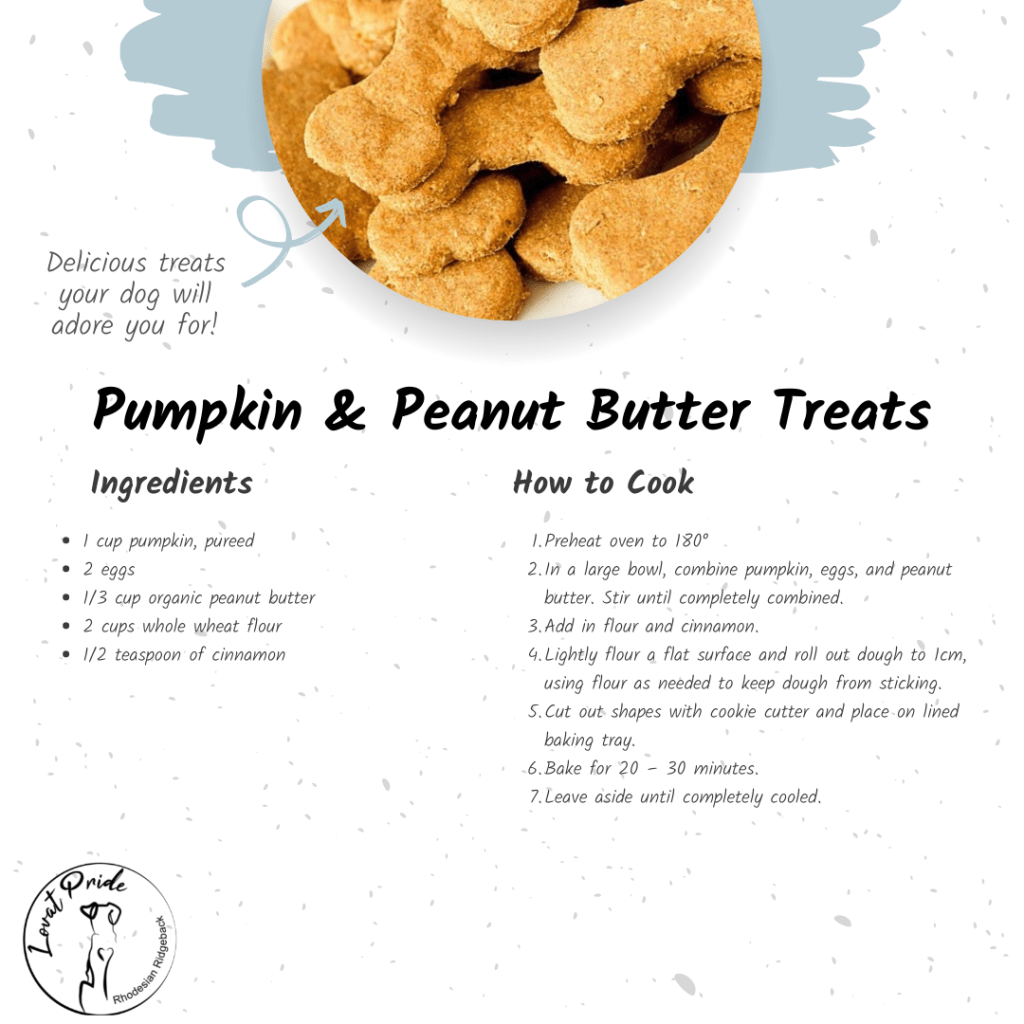
Treats
5. Find a Local Vet
When you’re choosing a vet, you need to be sure that you feel comfortable with them. Make sure your vet is properly accredited. You can ask for a tour of the facility so you can take a look around. While you’re talking with the practice you should ask the following questions.
How far in advance will you be able to make routine appointments?
What is the emergency policy?
Can you make appointments with a specific vet?
Do they have a network of specialists if you need to be referred?
Do you have any online services?
What payment options are accepted?
7. Training
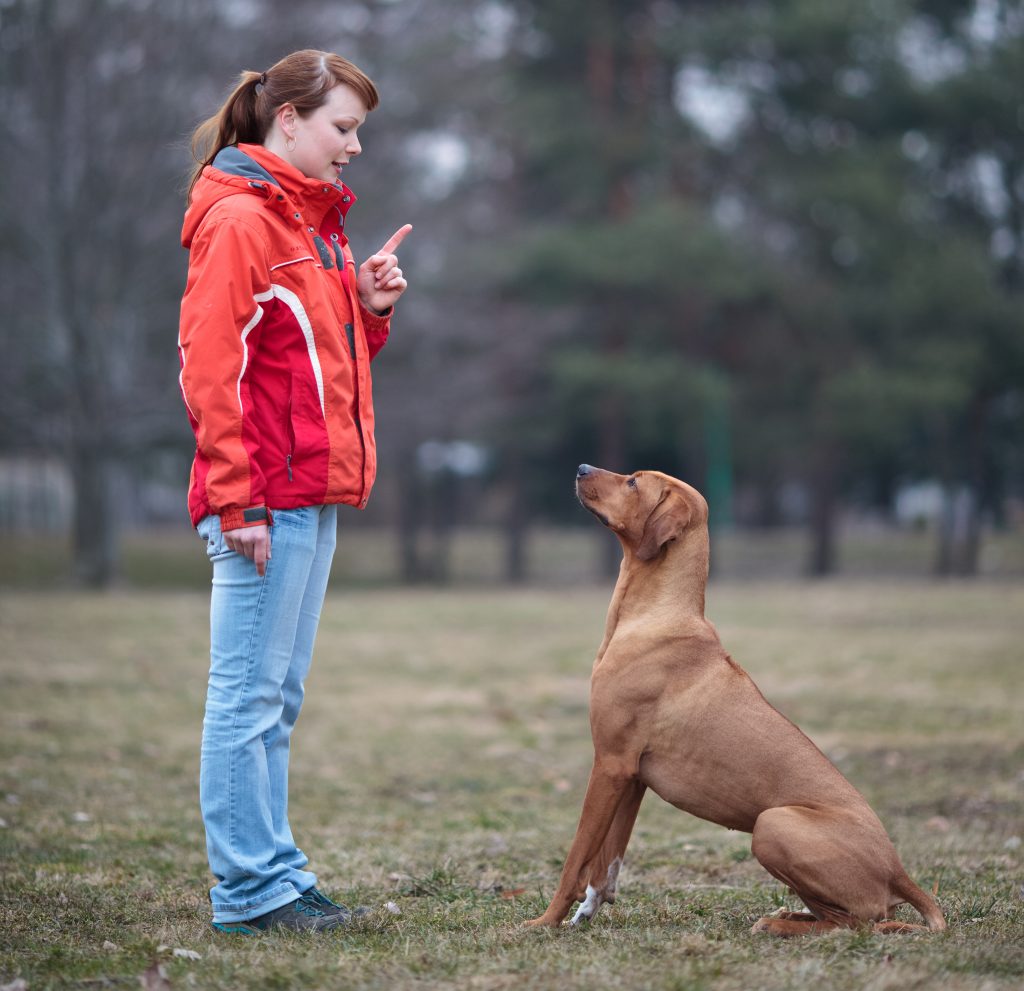
If this is your first dog, or even your first Rhodesian Ridgeback, it’s not just the puppy who will need training, but you as well. Rhodesian Ridgebacks need consistent, firm but fair training. They’re very intelligent, and can pick up things easily. The key is in reinforcing the education. If you want your puppy to stay off the beds, for example, then it’s not going to be okay to just let them on the bed ‘just this once’. Instead it will be confusing for them.
Again, research here is important. You’ll need to take your puppy to obedience classes, so look for ones in your area. Ask your vet for recommendations. Ask other owners which classes they used. Talk to the trainers, and find out which ones you feel comfortable with. Obedience classes aren’t just for training, but they’re invaluable in socializing your puppy as well.
Training At Home
When you get your new puppy home, toilet training and crate training will need to begin straight away. Your breeder will probably have made a start on this before you get your puppy, but you will need to continue it consistently. Establish a toileting routine as soon as you can, and make sure you take them outside regularly. You’ll need to be patient, especially as the first days will be marked with many accidents. This is to be expected. Your puppy needs to get used to their new environment.
Show Training
If you want to show your puppy, you’ll need to find showing classes as well as obedience classes. You will be looking for someone with experience. You’ll want someone who has shown dogs, and can guide you through what would be required from your puppy. They’ll teach you how to make your puppy stand correctly for judging, in a way that shows off their confirmation. Someone with experience will also be able to talk you through what goes into preparing your puppy for shows. This includes grooming, feeding and supplementation, as well as how you should look in the ring yourself.
Owning a dog is not just a privilege; it’s a responsibility. They depend on us for, at minimum, food and shelter, and deserve much more. When you take a dog into your life, you need to understand the commitment that dog ownership entails.
Health
Rhodesian Ridgebacks are generally healthy dogs, and responsible breeders screen their dogs for hip and elbow dysplasia, thyroid function and eye anomalies. Dermoid sinus is a tube-like opening in the skin that is occasionally present at birth; an experienced breeder can palpate, or feel, for this defect.
Grooming
The Rhodesian Ridgeback does shed somewhat, but overall their grooming needs are minimal. A regular weekly brushing will help to remove loose hair and keep the coat glossy, and an occasional bath will help to keep them clean and looking their best. The nails should be trimmed often if not worn down naturally, as overly long nails can cause the dog discomfort and problems walking and running. Many Ridgebacks resist nail clipping, and many respond more positively to a nail grinder.
Rhodesian Ridgebacks are strong, athletic dogs who require a moderate amount of exercise, and they can adapt well to various living situations when provided with daily outings such as long walks and play sessions with their owner. They love to run, and they need physical activity to help keep them healthy and happy. The breed can also exercise mind and body by participating in canine sports like tracking, agility, and other activities that you can enjoy together.
Training
Because of their very strong prey drive, Rhodesian Ridgebacks should always be in a safely enclosed area when off leash. The Ridgeback is a devoted companion and needs to live indoors with their human family. They can be strong willed, independent, and sometimes domineering, and must be guided with a firm but patient hand from early puppyhood. Early socialization and puppy training classes using positive reinforcement are recommended and help to ensure that the dog grows into a well-adjusted, well-mannered companion.
The Rhodesian Ridgeback should do well on a high-quality dog food, whether commercially manufactured or home-prepared with your vet’s supervision and approval. Any diet should be appropriate to the dog’s age (puppy, adult, or senior). Ridgebacks are notorious ‘counter surfers’, so be sure not to leave human food unattended. Some dogs are prone to getting overweight, so it is important watch your dog’s calorie consumption and weight level. Treats can be an important aid in training, but giving too many can cause obesity. Check with your vet if you have any concerns about your dog’s weight or diet. Clean, fresh water should be available at all times.
How much a dog sheds is invariably down to what breed they are, though there are, as always, exceptions to the rule. Seasons can also play a role but not so much since most dogs now live indoors year round. The Rhodesian Ridgeback is no exception to these statements.
What makes the coat?
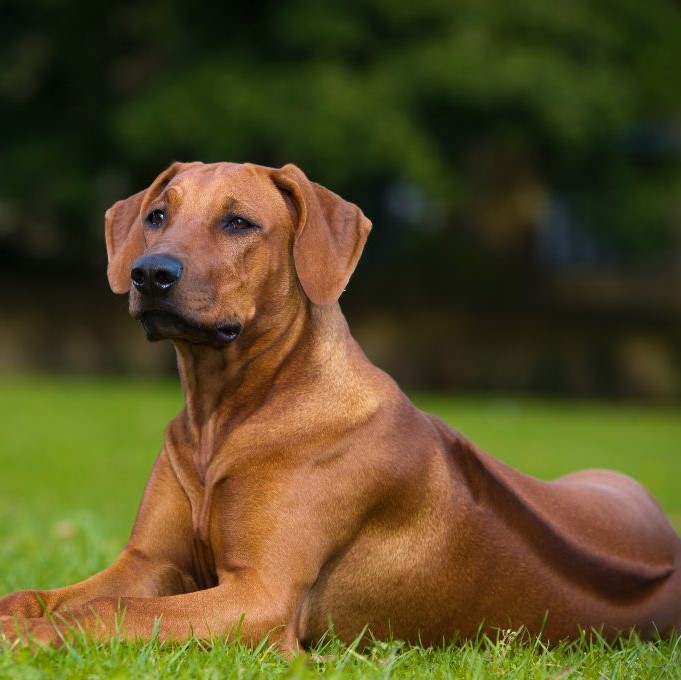
Rhodesian Ridgebacks have a coat that is short and dense. It is sleek and glossy in appearance but should never be woolly or silky. It comes in one simple color which is wheaten, but various different shades. There may also be white markings and usually a black mask.
Their coat is made up of hair. This is because, in general, fur is associated with double coats, whilst hair is linked with single ones.
The ridge is a line of hair that grows in the opposite direction to the rest of the coat. It is the very characteristic of this breed and should be clearly defined, tapering and symmetrical. It starts behind the shoulders and continues to a point near the hips. There should be two identical crowns or whorls on the ridge directly opposite each other.
The Rhodesian Ridgeback is an extremely clean dog with very little odor and a minimal shedding. How much exactly, will depend on whether your dog lives indoors or outdoors. Those kept indoors will shed a little all year round whilst those living outdoors will be more prone to seasonal shedding.
Taking care of the shed
Rhodesian Ridgeback would be classed as extremely minimal for coat maintenance. A simple weekly brushing will go a long way. This will help to remove any loose hair and dander and to keep the coat nice and glossy.
You should start brushing your Rhodesian Ridgeback at an early age so they can become accustomed to it As a puppy, you can start by using a grooming mitt which allows you to stroke and groom at the same time. As they get older, you can then move to a brush or comb. Ensure that any grooming products you do buy are designed for short dense coats.
Your Rhodesian Ridgeback may also benefit from the occasional bath using a gentle shampoo. This will keep them looking their silky, shiny best, but should not be done too often. Bathing too often can remove essential oils from your Rhodesian Ridgebacks coat.
Why do they shed?
Rhodesian Ridgebacks shed for the same reasons as any other dog breed because it is natural! They lose old or damaged hair in pretty much the same way as we humans do. How much and how often, however, can depend on health, breed, and where they reside.
Excessive shedding can be normal in many dog breeds, but not the Rhodesian Ridgeback. If they are shedding more than usual, there is probably a reason other than normalcy behind it. These reasons could include stress, poor nutrition, and even medical problems. Your vet is best placed to determine hair loss that is not normal.
Stress
This could be something as simple as they are being left alone too long, or something in their environment frightens them. Pinpointing the causes of stress is not always easy but, if illness and poor nutrition have been ruled out, you should start looking to things that are possibly distressing your Rhodesian Ridgeback.
Poor Nutrition
It is recommended to feed your dog with high-quality diet. However, this may not always be enough. Some Rhodesian Ridgebacks may have allergies or sensitivities to certain ingredients in dog foods which could cause hair loss.
Medical Conditions
There are various illnesses that could be causing excessive hair loss in your Rhodesian Ridgeback. These include:
Parasites (flea, lice, mites)
Fungal / bacterial infections
Food allergies
Kidney, liver, thyroid or adrenal disease
Pregnancy / lactation
Certain medications
Self-induced trauma due to licking
Immune disease
Sunburn
Contact with irritating or caustic substances
So, how do you minimize the shedding?
You cannot stop a healthy Rhodesian Ridgeback shedding but you can reduce the amount of hair in your home. You can do this by regularly grooming your dog with a suitable brush and bathing them on occasion. If you are unsure what brush is most suitable, then your vet or groomer will be able to recommend one.
Since you cannot stop a healthy Rhodesian Ridgeback shedding, you will need to find quick and easy ways of removing hair from you and your home. Lint rollers are ideal for getting dog hair off your clothes, and a good pet vacuum cleaner with tools will clean carpets and soft furnishings. Hard floors can simply be swept and mopped.
Rhodesian Ridgebacks are not the easiest of the dog breeds to train. This should not, however, put you off them as they are very trainable and well worth the effort you willneed to put in!
Rhodesian Ridgebacks are highly intelligent and learn quickly making them ideal candidates for training. However, they are also stubborn, independent, and very much have a mind of their own. This means they can be difficult to train and need very strong guidance and ownership. Training is vital for a Rhodesian Ridgeback but it has to be done in the right way.
Rhodesian Ridgebacks need training for much the same reasons as any dog or dog breed needs training; to get the desired behaviour from them and eliminate the undesirable. Some of the common undesirable behaviours are considered social behaviours and can look like;
Urinating and defecating in unwanted places around the house,
Ripped up flooring,
Chewed up shoes, rugs, carpets, and even dog beds despite having toys of their own,
Incessant barking and whining,
Digging,
Running away when allowed off the leash,
Nipping at the feet and ankles of all the family,
Stealing food,
Showing signs of aggression, etc.
These can potentially ruin your relationship with your dog, and definitely need correcting. They are not, however, the biggest reason for training your dog. There are many that will benefit both you and your pet. Here are the top ten:
Strengthens the bond between owner and dog.
Helps communication skills grow between owner and dog.
Is fun for both the dog and the family.
Decreases/eliminates behavioural issues.
Provides enrichment and stimulates your dog’s brain.
Gives your dog a job.
Lessens the likelihood of your dog being surrendered to a shelter by you.
Builds confidence in shy and fearful dogs.
Creates less work for you in the long run.
Enhances safety and could even save your dog’s life.
Types of Training
Assisted obedience beginner classes
Beginner training classes are the most popular option when it comes to dog training. They can be found all over the place and comprise of groups of people and their puppies all learning together. A professional trainer will usually teach the classes which are ideal for also socializing your dog.
Assisted private training
This is a one on one class which provides a more concentrated learning experience. This is a good option if your Rhodesian Ridgeback is struggling with any areas of training as they can be concentrated on. These sessions, however, do lack in the area of socialisation which is an incredibly important part of training.
Non-Assisted training
This involves you training your Rhodesian Ridgeback yourself. Due to their stubbornness and independent nature, however, this can be difficult. You will need to research basic training through guides and other resources. Going it alone can also mean your puppy lacks in socialisation, but on the plus side, you can concentrate on areas your puppy needs the most training.
Non-assisted training is basically going it alone and training your Rhodesian Ridgeback yourself. Due to their stubbornness and independent nature, however, this can be difficult. You will need to research basic training through guides and other resources. Going it alone can also mean your puppy lacks in socialization, but on the plus side, you can concentrate on areas your puppy needs the most training.
For those who choose to train their Rhodesian Ridgeback puppies themselves, here are eight tips to success.
Social skills are the the first area to teach and will include sit, leave, come, leash walking, their name.
Verbal and physical commands should go together.
Keep your instruction simple, firm, and succinct. Be patient when it comes to training, new skills will not be learned in an instant.
Be positive by showing excitement and petting them when they demonstrate good behaviour. They are far more amenable to encouragement that is positive when it comes to achieving a training goal.
Keep the treats smalls, basically, a nibble that will tell your Rhodesian Ridgeback that they have done well but not keep them chewing for ages.
Learning should be an incremental procedure, each new command building upon another. Repetition of new skills learned will be essential.
Keep training sessions to around five to ten minutes several times a day.
Begin basic training in an environment where there are no distractions.
A little warning on the reward! Too many treats can result in your Rhodesian Ridgeback becoming overweight. Wean them off treats as you develop their training, replacing them with more praise. If you know your Rhodesian Ridgeback has had more treats than they really should in a session, you can also balance this calorie intake out by feeding them a little less at meal times. Be careful, however, as puppies need a certain amount of nutrition per day to ensure they grow healthy and fit.
What’s next?
Many people opt to just stop training their Rhodesian Ridgeback once basic training is complete. Others choose to move on to advanced training such as teaching them tricks. Either is fine though advanced training is the better idea as it stimulates your Rhodesian Ridgeback further and will keep them from becoming bored.
Advanced tricks
Advanced training is the time to have a little more fun with your Rhodesian Ridgebacks training. It is when you would teach them tricks such as roll over, play dead, commando crawling, and many other things. Guides on how to train your Rhodesian Ridgeback to do these things are widely available online and through other resources such as training books and at advanced classes.
Agility
Agility training is fun, engaging, highly addictive, and will keep both you and your Rhodesian Ridgeback in tip top condition. It will also appeal to your Rhodesian Ridgebacks natural instincts to run, chase, and hunt. Despite many people’s preconceptions it is not that expensive to participate in and building a home course is altogether inexpensive.
You will also find a good range of agility classes if you want to get assistance in this kind of training. They will range from beginner to expert so be careful to choose a class at your Rhodesian Ridgebacks level. Competitions are also widespread in agility training should your beloved pooch become good enough to step up their game into competing. Learn more about agility here.
Obedience
Trained club Instructors will teach you to train your dog. Learn more about obedience here.
Lure Coursing is a newly ANKC recognized dog sport which involves a dog chasing an artificial lure across a field, in a pattern made to simulate a prey animal (e.g. a rabbit) changing direction as it runs away. Learn more about lure coursing here.
Therapy
A therapy dog is trained to provide comfort and affection towards people in schools, hospitals, hospices, or other facilities. The classification of the therapy dog is not protected by law and they don’t have special privileges as a service dog might have.
The following traits are desired in a therapy dog:
Well socialized
Calm and gentle
Friendly towards strangers
Well behaved
High irritant threshold
Leash trained
Tracking
Tracking is another great sport for dogs that just love to sniff. Hound breeds are especially well-equipped for scent work. Their big ears are there to block out noises while they track scents. For more in-depth information on how working dogs are taught to track properly, you can check this video. Learn more about tracking here.
Every specialized dog training should always come with a great understanding of your own dog. They should be able to explore their abilities at their own pace to avoid fear or boredom. Every training session should end with a reward for the dog so they will look forward to the next session. Keep in mind that not every dog is suited for the same task. Temperament can vary greatly within a breed or even a litter. It is important to prioritize your dog’s wellbeing over the training and wait with activities like Agility until your dog is old enough.
Rhodesian Ridgebacks are in general an affectionate breed that are good with both children and other dogs. They are exuberant, playful, as gentle as a large powerful dog can be, and like to have people they know around them.
The above description, could, in fact, match many dog breeds out there, none of the traits mentioned are specific to just the Rhodesian Ridgeback. However, when you pair the above with the personality traits that this breed are best known for you get the unique mix that is the Rhodesian Ridgeback. These most recognised traits include:
Intelligence – The Rhodesian Ridgeback is widely regarded as a highly intelligent breed of dog. This means they need regular and varied stimulation to keep them engaged and to stop them from getting bored. Puzzles and games are a good way to stimulate your Rhodesian Ridgeback mentally as is just engaging with them in general.
Loyalty/Protectiveness – Always featured in top ten guard dog breed lists the Rhodesian Ridgeback will guard those it loves and its territory. This is a natural genetic trait which dates back to its origins as a hunting dog in Rhodesia. They are also incredibly loyal to their families, often more so to one person in the family particularly. This has led to them being regarded as a ‘one-man dog’.
High Prey Drive – This is another personality trait that is genetically embedded in the Rhodesian Ridgeback. This is because they had centuries of training to display this very behaviour and were bred specifically for it. Not only were they used to hunt down and corner lions, something they are famous for, but they were also trained to chase smaller prey such as buck, wild boars, monkeys etcetera. This means most small animals such as rabbits, birds, cats, and possibly small dogs will be seen by them as prey.
Independence/Stubbornness – Whilst the Rhodesian Ridgeback does not really care for being left alone and would much rather be with people they are also highly independent and stubborn. This means they may not always follow instruction easily and may wander off on their own to do their thing.
Standoffish With Strangers – Despite the Rhodesian Ridgeback adoring their family and people they know well they can be aloof with strangers. This again more than likely dates back to the days when they were used not only as guard dogs but also as protectors of the home.














 Lovat Pride Rhodesian Ridgeback